

Christmas Island Review / Debrief
In February 2025, Big Y Fly Co hosted our first shop trip to Christmas Island. For a lot of anglers, this is the big trip. It’s a sort of rite of passage—one of those places that leaves a mark on you and changes the way you think about saltwater fly fishing. If you’ve put in a week on Christmas Island, nobody will ever question your devotion to this whole fly-fishing thing again.
This write-up is a debrief, an explainer, and a handful of things we learned that might help make your first trip to CXI go as smoothly as ours did. If you want a packing list or gear list, we’ve got a blog post for that.

What’s the Big Deal?
In some ways, it’s like other fishing trips—Belize, Yucatán, the Bahamas… a week on the flats. But it’s also not like those trips at all.
In Belize, even way out at Turneffe Flats, if you need something, someone can probably track it down. It might require a boat ride or a puddle jumper, but it exists somewhere—medical help, forgotten clothes, maybe even a replacement piece of fishing gear. Most places have something if you really need it.
Christmas Island does not. If you don’t bring it, you probably won’t have it. If something breaks or doesn’t work, you just live with it for the week. CXI tests your will, your gear, and your ability to stay patient. It forces you not only to live with your decisions, but to make the most of them.

Sunset Horizon Lodge
Sunset Horizon is one of the old-school operations. It’s the furthest lodge from the airport but the closest to the lagoon. Everything is simple and straightforward. The rooms are as clean as they can keep them with limited supplies. The food is as good as it gets for where you are. There’s no “lodge” in the traditional sense—just three 1950s cinder-block military-style buildings with two rooms in each, plus a covered open-air dining area, a small bar, and a kitchen across a courtyard.

Fishing Areas
If you research CXI, you’ll find endless opinions on where the “real” fishing is. Wherever you fished, someone else swears you picked the wrong spot. Pretty standard fly-angler talk.
At the airport, some guys bragged about heading to Fanning Island instead of staying on Kiritimati because “it’s so much better.” We found out later they didn’t even make it there.
We heard the same thing about the backcountry—the Huff Dam, Korean Wreck, etc. The backcountry from Sunset Horizon is a multi-hour drive, which means losing a lot of fishing time. Once you park, everything is on foot. I ended up feeling lucky to be at the lodge with the easiest access to the lagoon. Most days we were on fish after a short boat ride.
The head guide told me the backcountry got hit hard during COVID. With 7,000–10,000 people on the island and no tourism for four years, folks needed to eat. Those areas are reachable by car or motorbike, so a lot of fish came out of there. He said it’ll take a few years to rebound. The lagoon, being boat-only, wasn’t pressured in the same way.
Staying in the lagoon meant quick access every day. We fished a ton of productive water and even made it out to the ocean side for GTs a few times. Someday it would be neat to see the backcountry, but for this trip, I was glad we stayed close and fished hard. If I really wanted to focus on the Korean Wreck or Huff Dam, I’d probably choose a lodge closer to that area.

Guides
The guides were great—easygoing, hard-working, and clearly happy to be out there. There are some language barriers, and it takes a few days to realize when “OK” doesn’t actually mean “I understand what you just said.”
On Super Bowl Sunday, I asked if they were going to watch the game. They both said “yeah, OK,” which eventually turned into “we don’t know what that is” and “also, we don’t have a TV.” It made me wonder how many other times they’d said OK without actually catching the meaning.
But honestly, it doesn’t matter. They put us on fish all week, whether we could hold a full conversation or not. Go with the flow and trust them.

Snacks
Snacks were a big deal for me. I have celiac, so I needed backup food. The lodge provides sandwiches, but that’s about it. I brought a variety—jerky, candy, dried fruit, trail mix—and the amount was spot-on. I ate my last snack on the flight from CXI to Honolulu.
Water
I wish I’d brought my water filter. I didn’t, because I heard the lodge had a new filtration system installed shortly before our trip. Unfortunately, it broke before we arrived. We drank bottled water and boiled tap water, which occasionally had… personality. A small backpacking filter would have been perfect. Fill a few bottles each night and you’re set.

Alcohol
I’m not a big drinker, but a couple of pours after a long day on the flats is pretty great. We brought more than we thought we’d drink, and still managed to finish every drop. There’s a duty-free store right past security in Honolulu. There are a couple small stores near Sunset Horizon, but their inventory is extremely limited. One had maybe a dozen bottles of wine total.
Coffee
We brought our own setups—filters, pour-overs, whatever that sock thing John had was. The lodge had instant Folgers, but we were happier with our own beans. There’s just enough time each morning for a cup or two, and it was worth every ounce of luggage space.

Fishing Gear
I brought too much. As the host, I wanted to have extras in case someone snapped a rod or reel. I brought seven setups. That was… unnecessary. An 8-weight, 9-weight, and 10-weight are plenty, with a 12-weight if GTs are on the menu.
Gifts
The guides and staff don’t have access to gear. They fully rely on guests to supply things like guide shirts, flats boots, waterproof packs, etc. Next year I plan to bring more. Large shirts and size 10–11 boots seem to be the most universally useful. One guest brought a nice hunting/fillet knife and it was extremely appreciated.
We brought soccer balls and shoes for kids, but I didn’t bring anything specific for the guides. I won’t make that mistake twice.
Expectations
We kept expectations very realistic. Nothing is new or shiny or polished. It’s probably not even a 1-star hotel by U.S. standards. But the beds were dry and comfortable, the food was decent, and the fishing was excellent. Simple meals, simple lodging. Bring snacks if you want anything beyond the basics.
First Aid
We were lucky to have a doctor in the group. He brought antibiotics, nausea meds, and a few other things that ended up being useful. Sunburn cream, hand lotion, ibuprofen, and Tylenol all came into play. A couple folks got sick with a virus that someone brought along. One guest had a skin infection. I ended up with MRSA on my leg—not ideal, but it didn’t turn serious until after we got home.

Boots
Good boots are mandatory. No felt, no studs, no soft booties. Thick socks plus neoprene wading socks help with comfort. There’s a lot of walking. I broke my boots in by wearing them to work for four days before the trip and was glad I did. I still got a small blister, but that’s nothing compared to the time I packed only flip-flops for Belize and basically couldn’t walk after two days…
Good Times
I’ve done a lot of fishing trips. This one felt different. It was special. Our group got along incredibly well. No drama, no bad vibes, no complaints whispered behind anyone’s back. This was the first trip where the experience itself outweighed the fishing.

I’m more than ready to go back.
February 3–10, 2026.
As seen on ths article
-
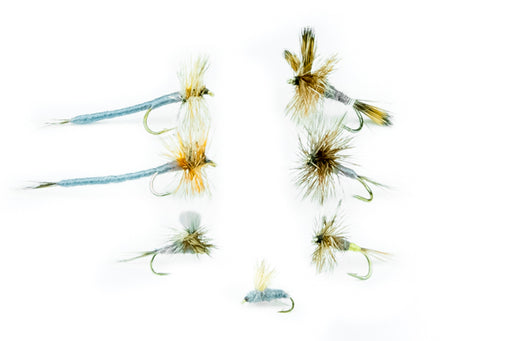
Adams Fly Assortment--24 Flies #1
$23.38Original priceOriginal price $23.38 - Original price $23.38Original price$23.38 - $23.38Current price $23.3824 flies in the Adams family Patterns included are: Adams Adams Female Adams Wulff Comparadun Adams Adams Extended Body Parachute Adams Flies w...
View full details$23.38Original priceOriginal price $23.38 - Original price $23.38Original price$23.38 - $23.38Current price $23.38Coming soonValue must be grater than or equal to 1. -
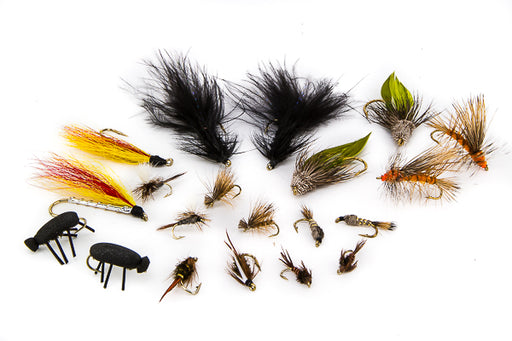
All Time Top Ten Trout Flies--20 Flies #2
$19.83Original priceOriginal price $19.83 - Original price $19.83Original price$19.83 - $19.83Current price $19.8320 Fly Assortment, the assortment will be in the most popular sizes and a variety of colors. As voted in American Angler Magazine, the all-time t...
View full details$19.83Original priceOriginal price $19.83 - Original price $19.83Original price$19.83 - $19.83Current price $19.83Coming soonValue must be grater than or equal to 1. -
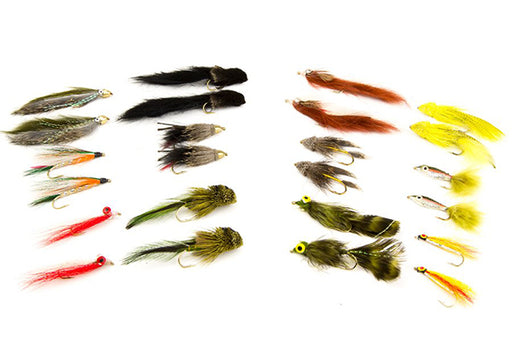
Baitfish and Sculpins--24 Flies #8
$26.57Original priceOriginal price $26.57 - Original price $26.57Original price$26.57 - $26.57Current price $26.57Meaty snacks for big trout! Baitfish and sculpins make up a huge chunk of calorie intake for many trout, especially the big ones. These are tri...
View full details$26.57Original priceOriginal price $26.57 - Original price $26.57Original price$26.57 - $26.57Current price $26.57Value must be grater than or equal to 1. -
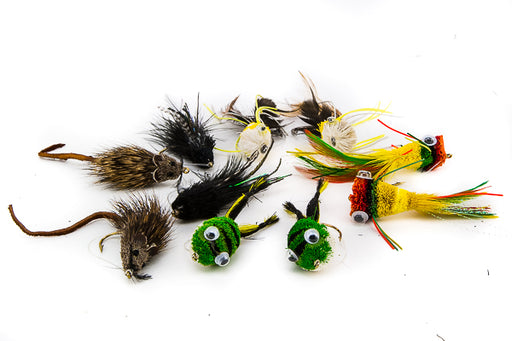
Bass Assortment--10 Flies #9
$32.66Original priceOriginal price $32.66 - Original price $32.66Original price$32.66 - $32.66Current price $32.6610 Bass flies excellent for Largemouth, Smallmouth, Pike and panfish. The assortment includes two flies of our five most popular patterns. The mos...
View full details$32.66Original priceOriginal price $32.66 - Original price $32.66Original price$32.66 - $32.66Current price $32.66Coming soonValue must be grater than or equal to 1. -
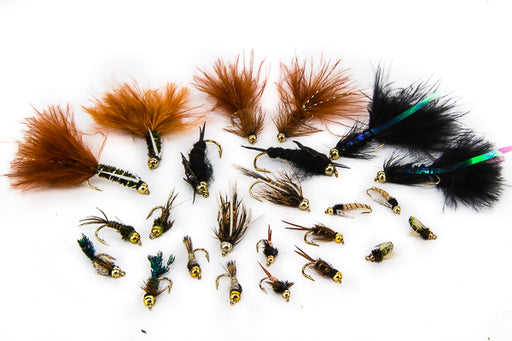
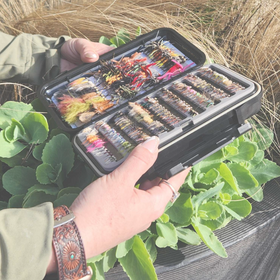
Beadhead Assortment--24 flies #3
$25.04Original priceOriginal price $25.04 - Original price $25.04Original price$25.04 - $25.04Current price $25.0424 of the most popular Beadhead patterns Sizes may vary based on availability Including: Beadhead Aggravator - size 6 Beadhead Copper John - s...
View full details$25.04Original priceOriginal price $25.04 - Original price $25.04Original price$25.04 - $25.04Current price $25.04Value must be grater than or equal to 1.