Dry Flies
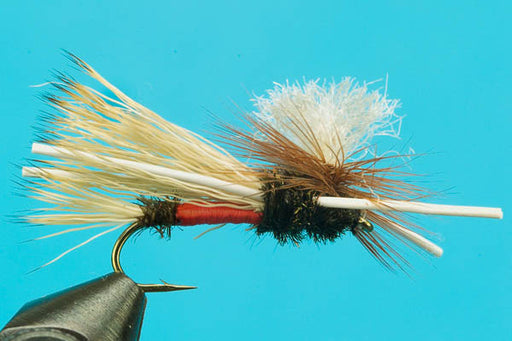
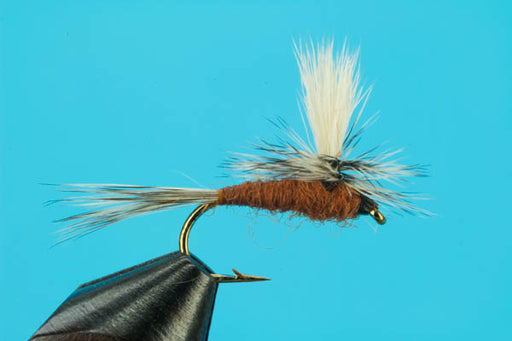
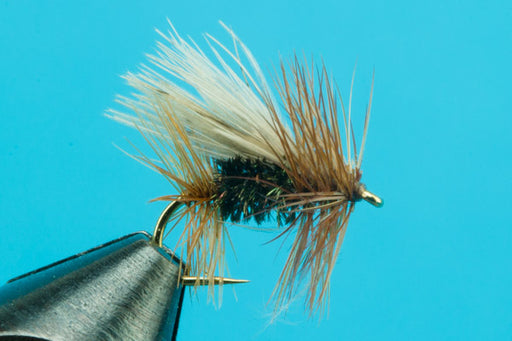
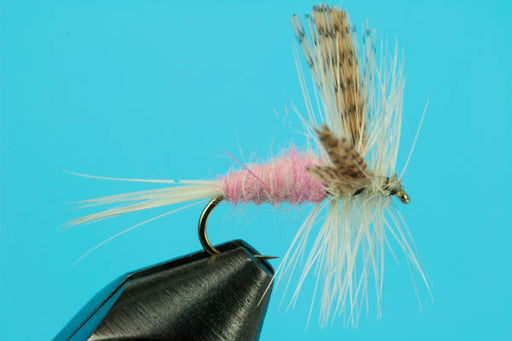
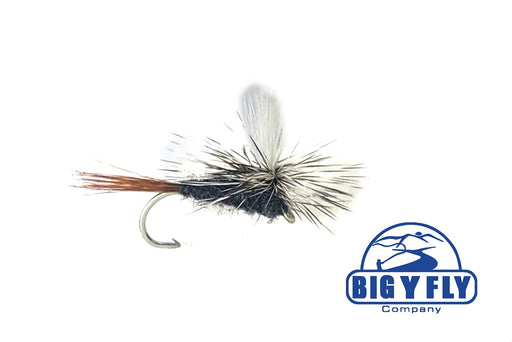
This pattern was designed by Doug Swisher for use in the Bitterroot River in Montana. The Madam X quickly became a classic dry fly attractor patte...
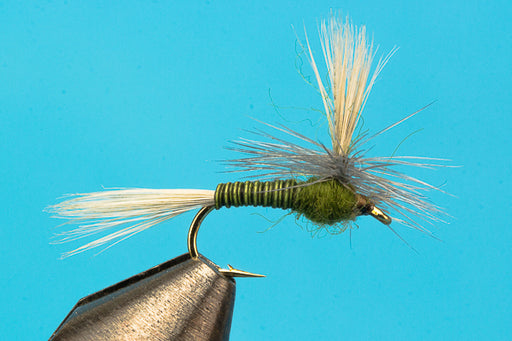
View full detailsMuch like the Parachute Adams, the Parachute Blue Wing Olive has been around a long time. The Blue Wing Olive in particular is responsible for th...
View full detailsParachute version of this popular mayfly hatch. Also great for Brown Drakes, and many other brown colored hatches. Rithrogena Germanica, Stenonema...
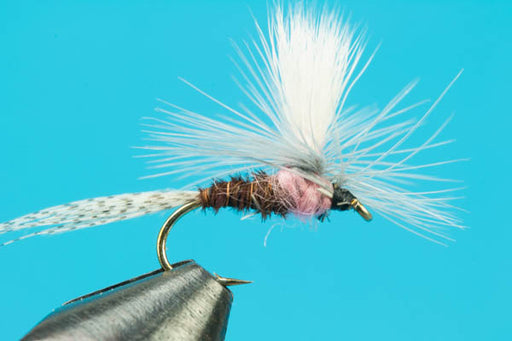
View full detailsA dry fly pattern with parachute wings and a mahogany colored body. A popular summer pattern, and a good searching pattern as well. Great for the ...
View full detailsLong a standby in every fly fisher's fly box. Especially effective in lakes, along the reeds, and in slower pools of rivers. Very common and pro...
View full detailsThere are two nice things about classic fly patterns. They almost always catch fish, and they continue to inspire changes. The Adams is no excepti...
View full detailsBrought to us from a customer who has had a lot of success with this pattern in Montana. Great for those larger mayfly hatches, where, for som...
View full detailsThe faithful parachute, great for rougher waters, low light, and those of us with just bad eye sight. Parachutes have long been a favorite of dry ...
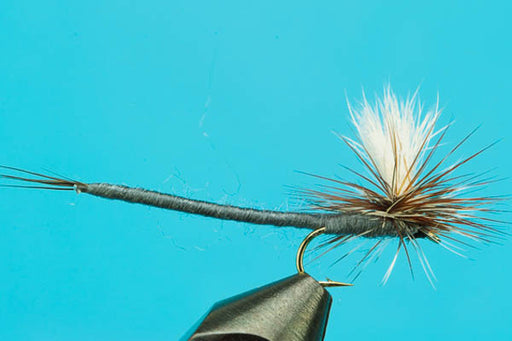
View full detailsParachute version of this popular mayfly hatch. Also great for Brown Drakes, and many other brown colored hatches. Quill Body and CDC parachute gi...
View full detailsThe parachute version of the pattern named after Albert Everett Hendrickson of New York. First tied in 1916 to imitate the mayfly Ephermella sub...
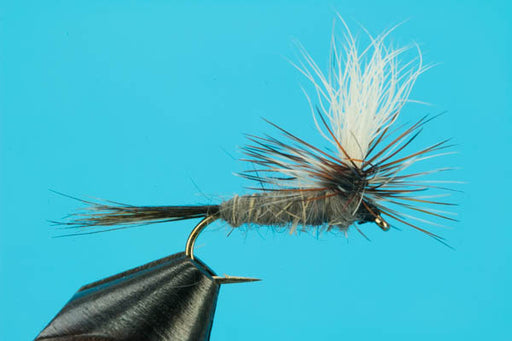
View full detailsThe Adams is one of the most successful dry fly patterns of all time. Can be used to imitate a plethora of mayfly hatches, including baetis, calli...
View full detailsA pale version of an Elk Hair Caddis Imitates a variety of larger caddis and spruce moths. Floats well in rough water. For an all-black Elk Hai...
View full detailsOutstanding searching pattern, and excellent match for gray dun and dun brown may flies. Like the Hare's ear nymph, this pattern will always be in...
View full detailsPeacock is one of the most used materials in fly tying. It has an iridescence to it that is not able to be replicated through synthetics. The peac...
View full detailsPale Morning Dun Cripple When trout key on struggling mayflies instead of perfect duns, a cripple pattern can outfish a traditional dry...
View full detailsThis is one of those flies that can do a little bit of everything. Apply a CDC floatant and fish it as a dry. Throw on a versileader and fish i...
View full detailsThis hatch is infamous on the Boise River. Also popular on other western rivers. Fish near riffles in the seams. This pattern also works for PMD's...
View full detailsFantastic for Light Hendricksons Great for larger adults of the Pink Alberts Fish near riffles in the seams. Very popular in the Appalachians. W...
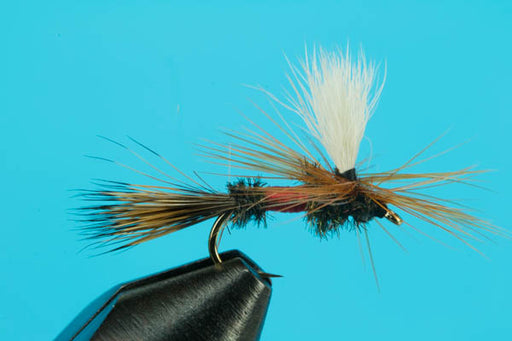
View full detailsAll the right colors, now in a parachute. The #1 rough water attractor that has caught everything under the water, can ride flat for more hook-up...
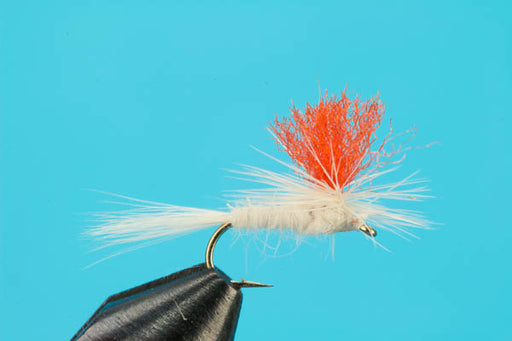
View full detailsExcellent pattern for many light colored mayflies including Pale Morning Dun, Red Quills, Pale Evening Duns, Pale Watery Duns, and Spur Wings. If ...
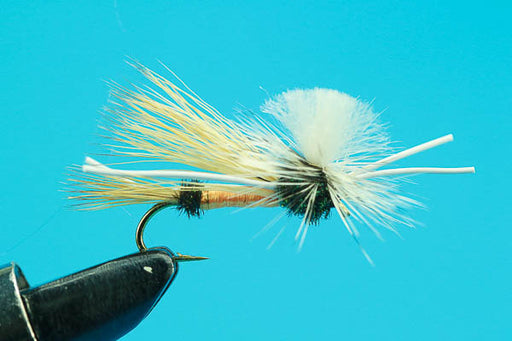
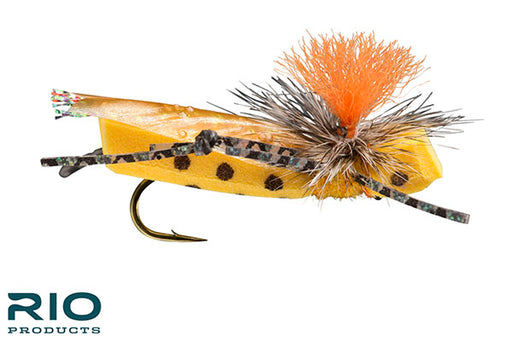
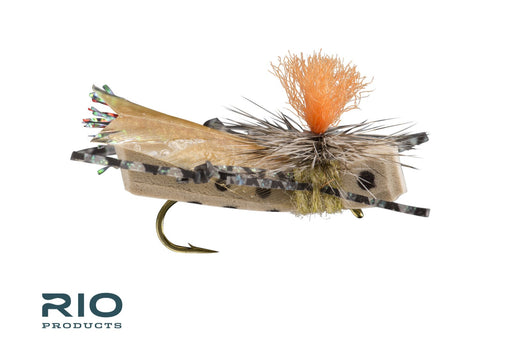
View full details"Frank" as he's known in certain watersheds is a block headed foam grasshopper imitation, tied with silicone legs, a wing and a parachute post, Fra...
View full detailsA widespread mayfly hatch. These insects can emerge from March through September in many locations. Callibaetis can emerge in various colors, fr...
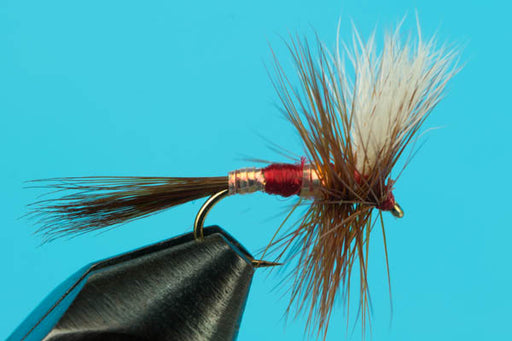
View full detailsGreat attractor pattern, often out fishes other attractors. Developed by Charles Meck. Great for dropper set-up.
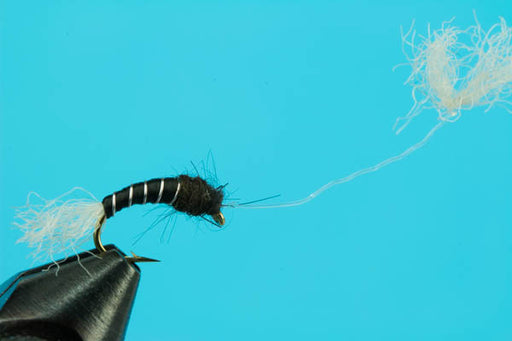
Ingenious design keeps this offering hanging in the surface film, where midges often get trapped. Trapped emergers are a buffet line trout just ...
View full details{"one"=>"Select 2 or 3 items to compare", "other"=>"{{ count }} of 3 items selected"}